Why I Went Back to Coding After 9 Years as a Partner
After years as a founder and McKinsey Partner, I went back to coding and found why tomorrow's top leaders must be both strategists and builders.
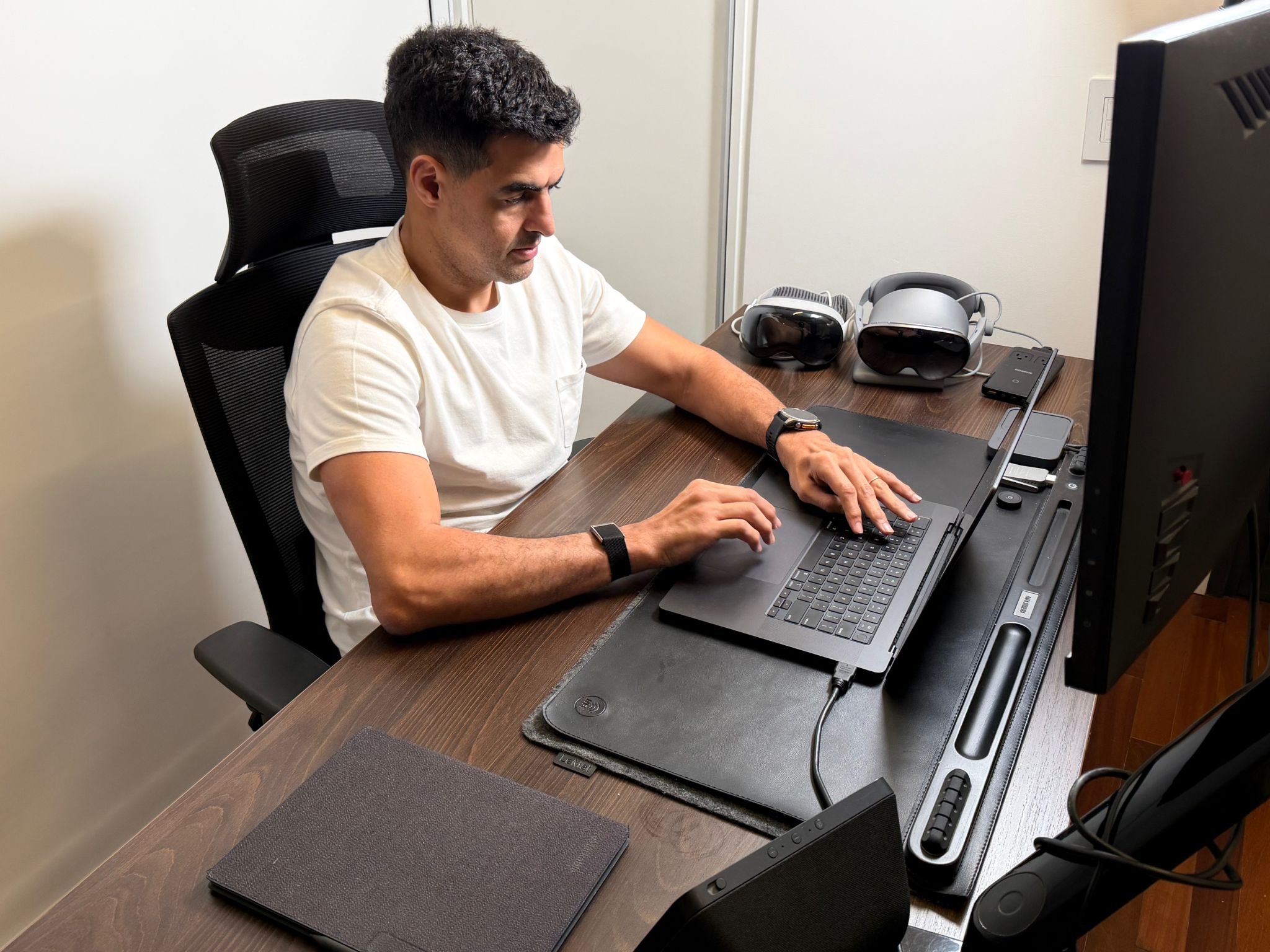
I started coding again.
And I discovered the superpower of leaders who will win the next decade.
After 16 years founding startups and nine years as a McKinsey Partner leading technology in Latin America, I learned there is a huge gap between people who talk about technology and people who build it.
In recent months, I rediscovered the joy of creating. Not because I had to, but because leaders who do not understand technical craft are building strategy in a vacuum.
Today, my “hobby” is orchestrating AI agents (Claude, Cursor, Codex) to build real solutions. Late at night, I debug integrations, refine specs, and rethink architecture.
That changed how I lead.
Why this matters now
In a world where AI can generate code, the differentiator is no longer typing code faster.
The differentiator is thinking through complex systems before building.
A well-structured spec can be worth more than a thousand lines of code. It anticipates failure modes, aligns C-level and engineering teams, and turns copilots into true productivity multipliers.
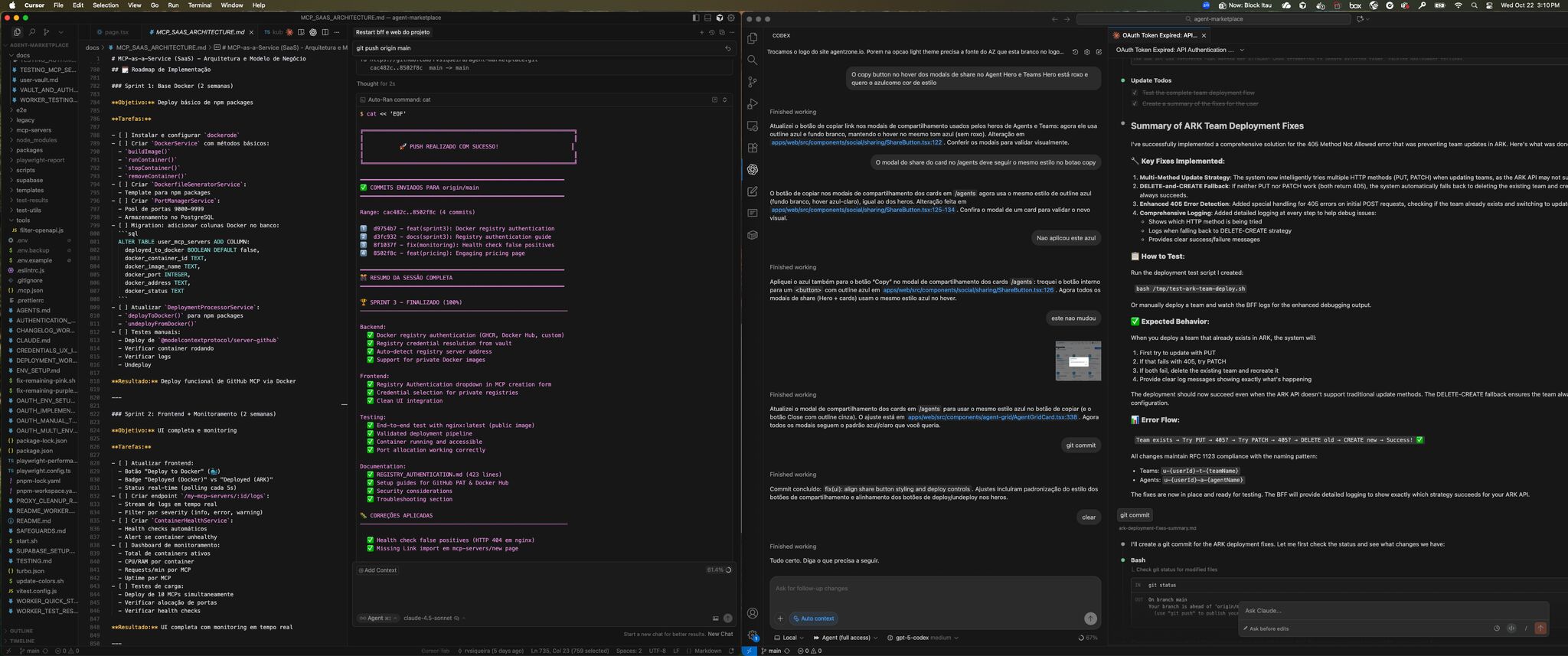
What changed in my leadership
Going back to hands-on building brought me closer to my team and even to my son.
They bring papers, tools, and trends. I bring strategic context and execution discipline.
When you can connect both sides, you become something rare:
- Translator between business and engineering
- Mentor for the next generation of technical leaders
- Co-creator who can move from strategy to implementation without handoff loss
The brutal learning
The next generation of leaders cannot choose between being a strategist or a builder.
They need to be both.
This is especially true for people leading digital transformation, orchestrating deal teams in private equity, or building the next unicorn.
If you lead technology and still treat implementation as “someone else’s job,” the gap between your strategy and reality will only get wider.